HOME / SURFACES & DETAILS
Ceilings Painting
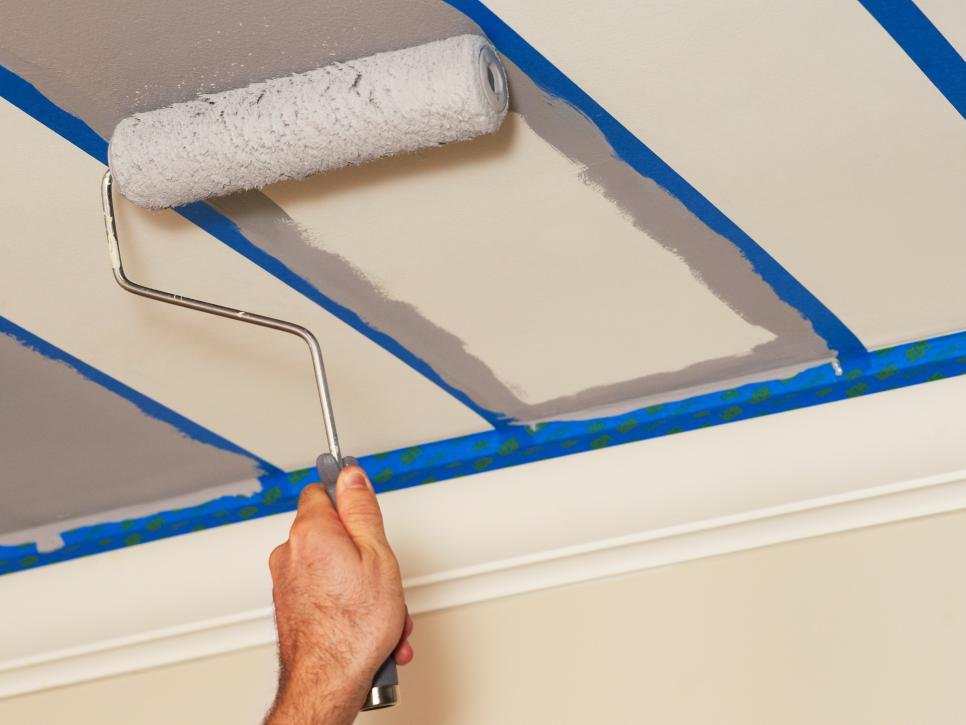
The Enchanting Artform: Ceiling Painting in Doha
Doha, Qatar, a vibrant metropolis in the Middle East, boasts a rich tapestry of cultural influences. This confluence is evident not only in its architecture and cuisine but also in its artistic expressions. One such captivating art form is ceilings painting, a tradition that has graced Qatari spaces for centuries, adding a touch of grandeur and narrative to your Home & interiors.
This comprehensive piece delves into the captivating realm of Ceilings Painting in Doha, Qatar. We’ll explore its historical roots, the diverse artistic styles employed, the materials used, and the ongoing relevance of this art form in contemporary Doha.
A Journey Through Time: The History of Ceiling Painting in Doha
The practice of decorating ceilings with intricate paintings has a rich and distinguished heritage in this particular area. Its origins can be traced back to the architectural customs of Mesopotamia, Persia, and the Islamic world. These ancient civilizations utilized elaborate geometric designs, elegant calligraphy, and intricate floral patterns to adorn the ceilings of palaces, mosques, and other important edifices.
Early Influences:
-
Mesopotamia:
The use of Ceilings Painting can be traced back to Mesopotamian civilizations like the Sumerians and Babylonians. They incorporated geometric patterns and celestial representations on ceilings, reflecting their understanding of the cosmos.
-
Persia:
Persian architecture heavily influenced the development of Islamic art. The use of vibrant colors, intricate geometric designs, and floral motifs became hallmarks of Persian ceiling paintings, a tradition that resonated in Qatar.
-
Islamic Art:
Islamic art, emphasizing geometric patterns, calligraphy, and arabesque designs, played a pivotal role in shaping Qatari ceiling painting. Quranic verses and depictions of paradise were often incorporated, adding a spiritual dimension to the artwork.
The Rise of Doha:
Fast forward to the 18th and 19th centuries, Doha emerged as a prominent trading center. The city witnessed a surge in construction, with merchants and dignitaries commissioning grand houses adorned with intricate ceiling paintings. These paintings reflected the growing prosperity of Doha and the owners’ desire to showcase their social standing.
European Influences:
The late 19th and early 20th centuries saw a subtle influence of European artistic styles on Qatari architecture. This influence, however was integrated harmoniously with existing Islamic traditions. Elements like realistic portraits and landscapes began to appear alongside traditional geometric patterns and calligraphy.
The Modern Era:
In the latter half of the 20th century, Qatar embarked on a period of rapid modernization. While contemporary architecture embraced new materials and techniques, the appreciation for traditional art forms like ceiling painting remained strong. Qatari artists began incorporating modern elements and themes into their work, ensuring the art form’s continued relevance.
A Spectrum of Styles: Unveiling the Artistic Techniques
Qatari ceiling paintings showcase a captivating blend of artistic styles, each reflecting a specific period and cultural influence. Let’s delve into some of the prominent styles:
Islamic Geometric Patterns:
- Interlacing geometric shapes like squares, circles, and stars form the foundation of many Qatari ceiling paintings. These patterns, known as girih, hold both aesthetic and symbolic value. They represent the order and beauty of the universe, reflecting Islamic beliefs about mathematics and divine creation.
Floral Motifs:
- Flourishing floral patterns, particularly arabesques, are a hallmark of Qatari ceiling art. These intricate designs often depict flowers, leaves, and vines, symbolizing paradise and the abundance of nature.
Calligraphy:
- The art of beautiful writing, calligraphy, holds immense significance in Islamic art. Verses from the Quran or inspirational sayings are often incorporated into ceiling paintings, adding a spiritual dimension to the space
Modern Interpretations:
Contemporary Qatari artists are pushing the boundaries of ceiling painting. They experiment with new materials like acrylics and combine traditional motifs with modern themes, ensuring the art form’s continued evolution.

Message Us
LET’S START WITH YOUR SPACE
Make your next project
feel considered.
Share your location, photos and the work you have in mind.